Abstract :
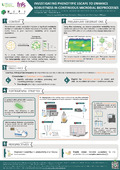
[en] Continuous cultivation represents a promising alternative for recombinant protein production, offering higher volumetric productivity, reduced downtime and a smaller facility footprint compared to batch and fed-batch processes. However, its industrial deployment remains limited due to population instability, particularly when using burdensome expression systems that mobilize large fractions of cellular resources. Under these conditions, cell-to-cell heterogeneity emerges within the bioreactor, generating distinct subpopulations that ultimately compromise both productivity and process predictability [1].
Recent studies in Escherichia coli BL21 (DE3), which uses the lactose-induced T7 expression system, have revealed a phenotypic escape mechanism in continuous cultures. When glucose supports growth and lactose acts as the inducer, part of the population escapes induction, leading to the coexistence of induced and non-induced cells. In contrast, replacing glucose with xylose abolishes phenotypic escape and results in culture washout, suggesting that this mechanism plays a key role in sustaining population survival in continuous bioreactors [2]. Yet, the mechanisms driving phenotypic escape remain largely unknown.
This project aims to systematically characterize phenotypic escape in continuous lab-scale bioreactors using E. coli strains carrying burdensome expression systems. A range of cultivation conditions will be investigated, including distinct carbon substrates, dilution rates, induction regimes and expression loads to determine how environmental and genetic parameters shape escape. Single-cell population dynamics will be monitored using GFP transcriptional reporter coupled with automated flow cytometry. Particular attention will be given to distinguishing phenotypic escape from the emergence of mutations using sequencing-based methods, such as DNA barcoding.
In the longer term, elucidating the mechanisms driving phenotypic escape will inform strategies to delay or prevent undesirable mutant subpopulations, thereby stabilizing continuous bioproduction processes. Such insights will also support the development of more robust synthetic co-cultures, a major challenge for the development of continuous bioreactor systems.