Boar taint; Multi-omics; Lipidomics; metabolomics; volatolomics; GC×GC; Random forest
Abstract :
[en] Boar taint is a major issue in pork production, negatively affecting meat sensory quality and consumer acceptance. It is mainly caused by the accumulation of skatole and androstenone in the adipose tissues of uncastrated male pigs. Currently, the detection of tainted carcasses relies largely on human sensory evaluation, a rapid but subjective method influenced by inter-individual variability. To overcome these limitations, this study aims to identify discriminant chemical markers and to develop a reliable statistical model for the objective prediction of boar taint, while providing a more global view of the underlying metabolic mechanisms.
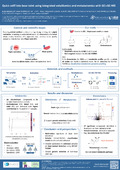
A non-targeted volatilomic analysis was performed on 129 pork neck fat samples using HS-SPME-GC×GC-TOFMS. Samples were classified as tainted or untainted based on a combined approach integrating human sensory evaluation and the quantification of skatole and androstenone by UHPLC-MS/MS. A Random Forest classification model was built using a subset of samples with consistent sensory and chemical classification. Thirteen discriminant volatile compounds were identified, including androstenone, skatole, and indole, as well as complementary markers revealing a more complex olfactory fingerprint than previously described2. In parallel, a complementary metabolomic approach was conducted on fecal samples from the same animals. Following chemical derivatization, GC×GC-TOFMS analysis enabled the detection of metabolites associated with boar taint. Among them, 5α-androstane-3α,17α-diol, a compound resulting from testosterone reduction, was found at higher levels in samples from tainted animals. This observation suggests the involvement of steroid-related metabolic pathways 2.
By combining adipose tissue volatilomics and derivatized fecal metabolomics, this multi-omics strategy provides a more comprehensive understanding of boar taint and its metabolic determinants. Beyond improving objective detection strategies at the slaughterhouse level, this approach opens perspectives to support genetic selection of pigs with a reduced risk of boar taint, thereby contributing to alternatives to surgical castration and supporting improved animal welfare.
Disciplines :
Chemistry
Author, co-author :
Bensaada, Djulia ; Université de Liège - ULiège > Département de chimie (sciences) > Chimie analytique, organique et biologique
Rodrigues, Anaïs ; Université de Liège - ULiège > Département de chimie (sciences) > Chimie analytique, organique et biologique
Pir, Emilie; Organic and Biological Analytical Chemistry Group, MolSys Research Unit, University of Liège, 4000 Liège, Belgium
Markey, Alice ; Université de Liège - ULiège > Département GxABT > Animal Sciences (AS)
Wavreille, José ; Animal Production Unit, Walloon Agricultural Research Centre, 5030 Gembloux, Belgium
Gengler, Nicolas ; Université de Liège - ULiège > Département GxABT > Animal Sciences (AS)
Stefanuto, Pierre-Hugues ; Université de Liège - ULiège > Département de chimie (sciences) > Chimie analytique, organique et biologique
Focant, Jean-François ; Université de Liège - ULiège > Département de chimie (sciences) > Chimie analytique, organique et biologique
Language :
English
Title :
Quick sniff into boar taint using integrated volatilomic and metabolomic with GC×GC-MS