Abstract :
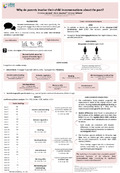
[en] The way in which parents engage their child in conversations about past experiences – i.e., parental reminiscences – influences early memory development (Léonard et al., 2020). While parental reminiscence is a universal practice, there are significant inter-individual variations in parental style, the origins of which are currently poorly understood. An assumption is that parental beliefs about the purpose of reminiscing contribute to these variations (Kulkofsky & Koh, 2009). The aim of this study was to validate in French the short-version of the Caregiver-Child Reminiscence Scale (CRS; 27 items; Kulkofsky, 2010) designed to assess parents' perceived functions of reminiscence, and to explore the socio-demographic factors that influence these perceptions. To do this, an online survey was completed by 256 parents (188 females) of children aged 3 to 9 years. The confirmatory factor analysis supported the measurement model of the original version (i.e., 7 factors), with all items showing statistically significant loading on their corresponding factors. The model demonstrated good fit with the data (CFI = 0.91, SRMR = 0.06, RMSEA = 0.07). The results also showed an effect of parents’ gender on their perceived functions of reminiscence, with mothers attributing more the functions of emotion regulation and individual self in relation to others than fathers. In addition, correlational analyses showed that as children get older, parents engage less in reminiscence for the purpose of assessing child’s memory abilities. In conclusion, the functions that parents attribute to parental reminiscences seem to evolve over time, and the gender differences identified here would reflect broader differences in how women and men narrate their autobiographical memories (in relation with societal gender roles).