Abstract :
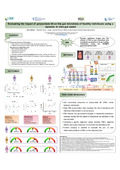
[en] Consumers trust the safety of food on the market. Manufacturers ensure this through multiple measures in their processing plants, including raw material quality control, cleaning and disinfection protocols, temperature control, and in some cases, the addition of food additives. Food additives serve various purposes, like preservation, coloring or texturing, and become part of the foodstuffs. The European Food Safety Authority (EFSA), in charge of the safety of food additives, demanded a re-evaluation of all food additives permitted before 2009. Recently, concerns have arisen about the safety of emulsifiers, particularly polysorbate 80(P80). P80 is used in a wide range of foods like dairy, ice cream, confectionery, and bakery products, though it has been linked to intestinal inflammation and colon carcinogenesis[1]. However, in 2015, EFSA concluded that there were no safety concerns about P80 but recommended additional studies[2]. Therefore, this study aimed to evaluate P80’s effects on the gut microbiota of three healthy individuals using the L-SHIME® gastrointestinal model. After two weeks of stabilization, 4,5 g of P80 (corresponding to the maximum consumer’s exposure according to EFSA[2]) were daily administered for one week, followed by a one-week washout period. Changes in microbial communities and metabolites production were analyzed using qPCR and chromatographic methods (GS-MS), respectively. P80 induced an increase in the relative abundance of Bacillota, and a decrease in Bacteroidota phylum. An increase in Enterococcus, Bifidobacterium, Lactobacillus, and Megasphaera genera was also observed, some of them being linked with intestinal inflammation. Moreover, the concentrations of acetate, butyrate and branched-chain fatty acids were higher in the presence of P80. Different to what was observed when P80 was tested in short-term fermentations[3], a direct link between P80 and the promotion of intestinal inflammation and fibrosis could not be established. Further analysis using intestinal cells lines will be performed to evaluate pro and anti-inflammatory effects.