Abstract :
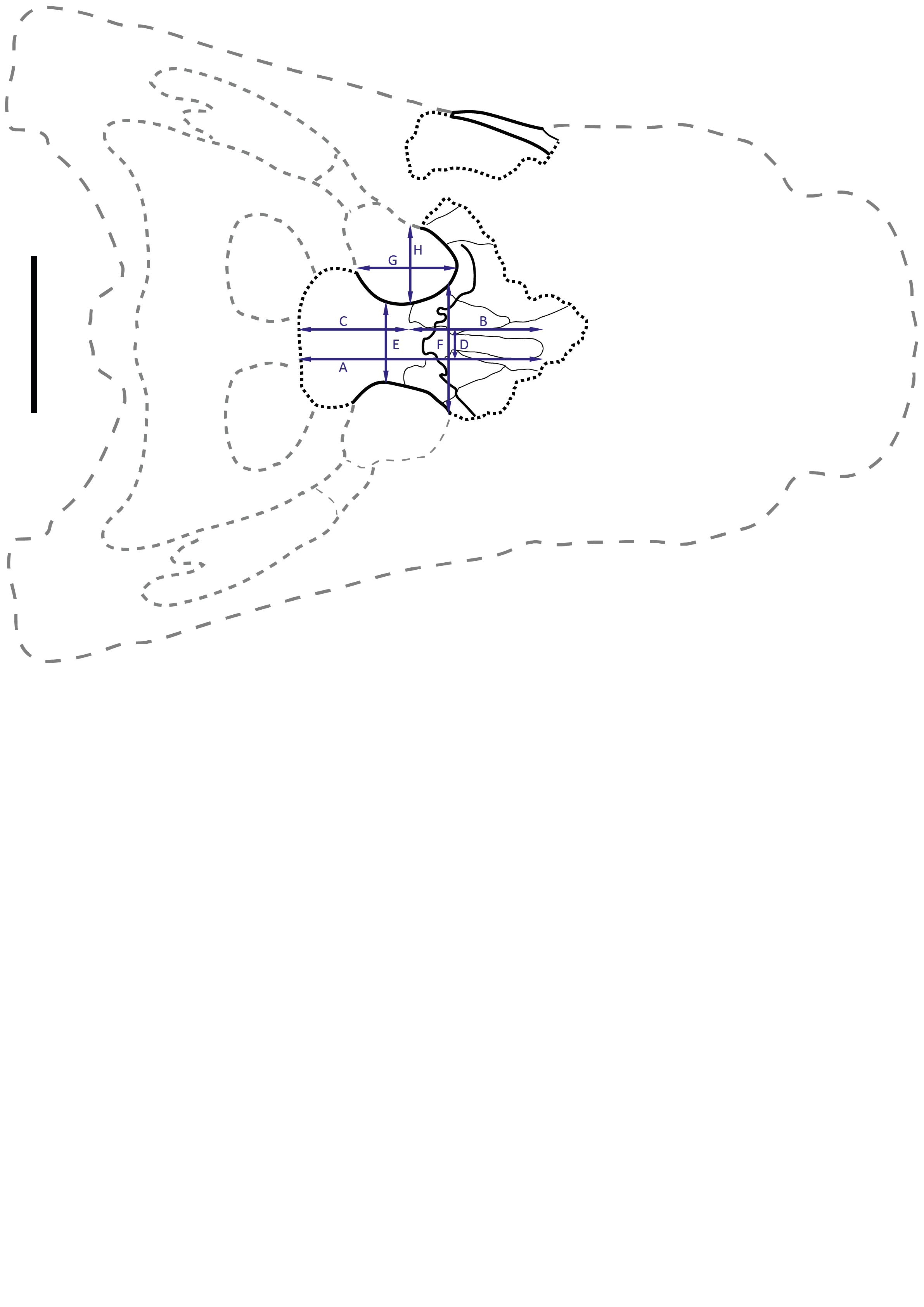
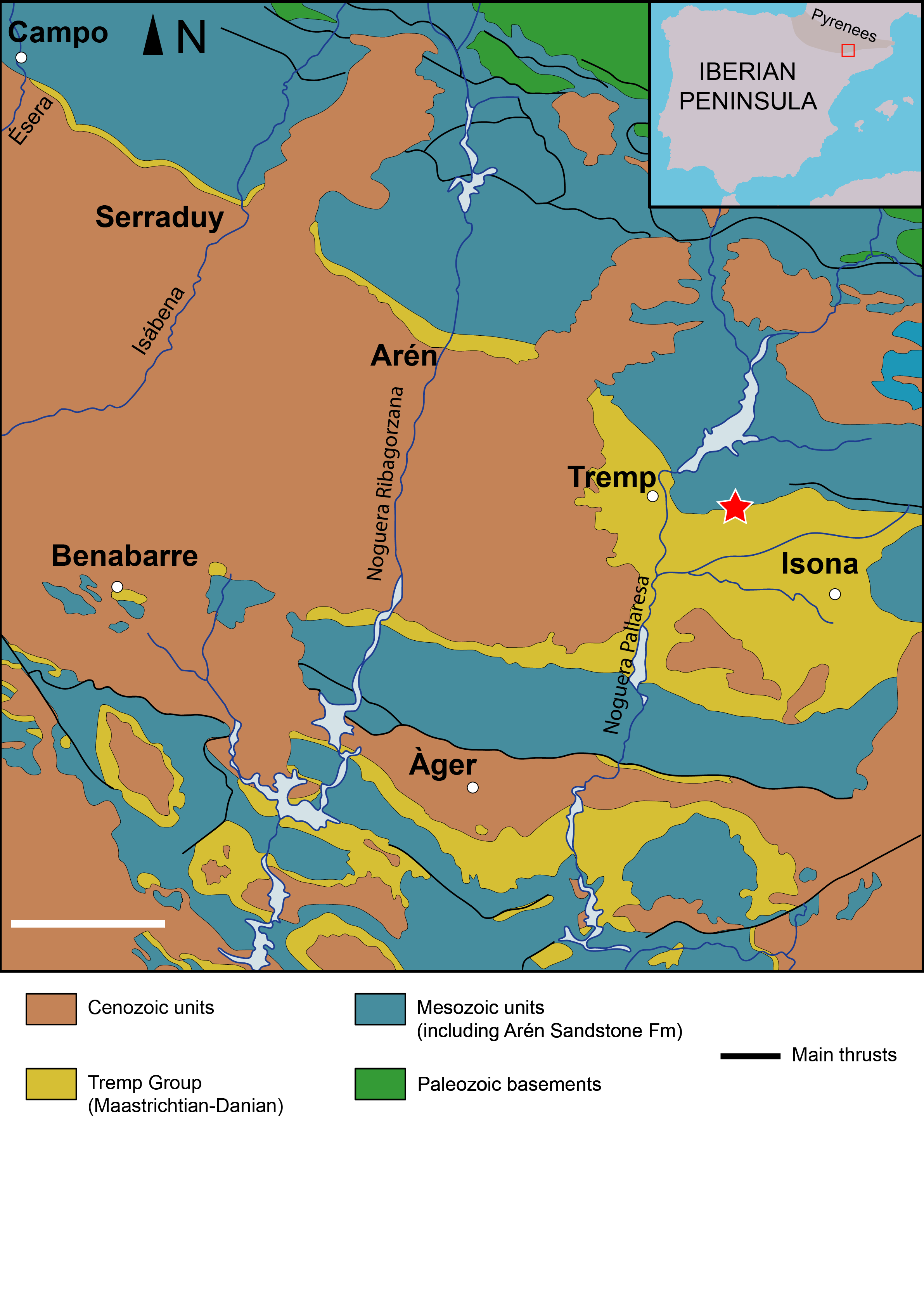
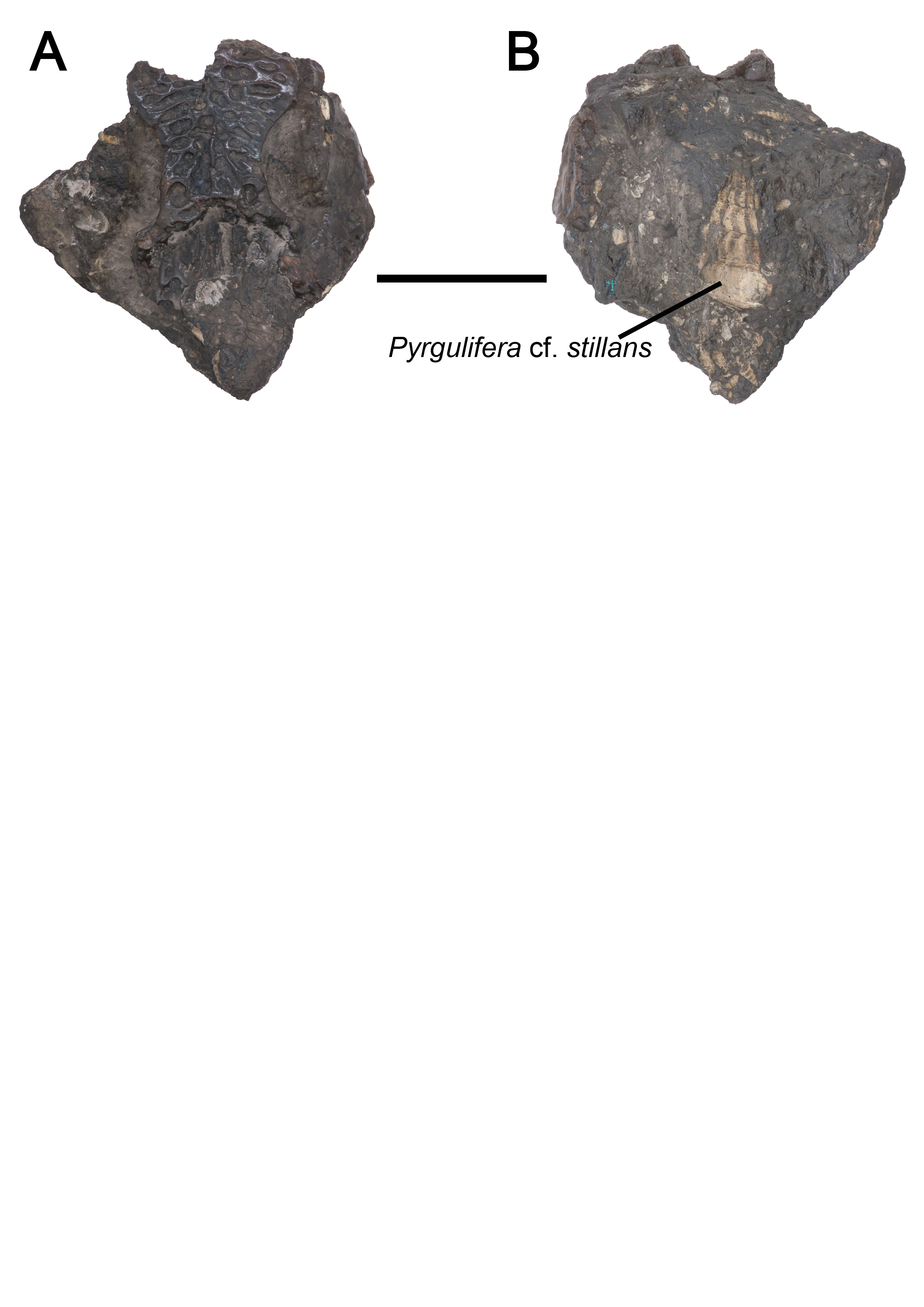
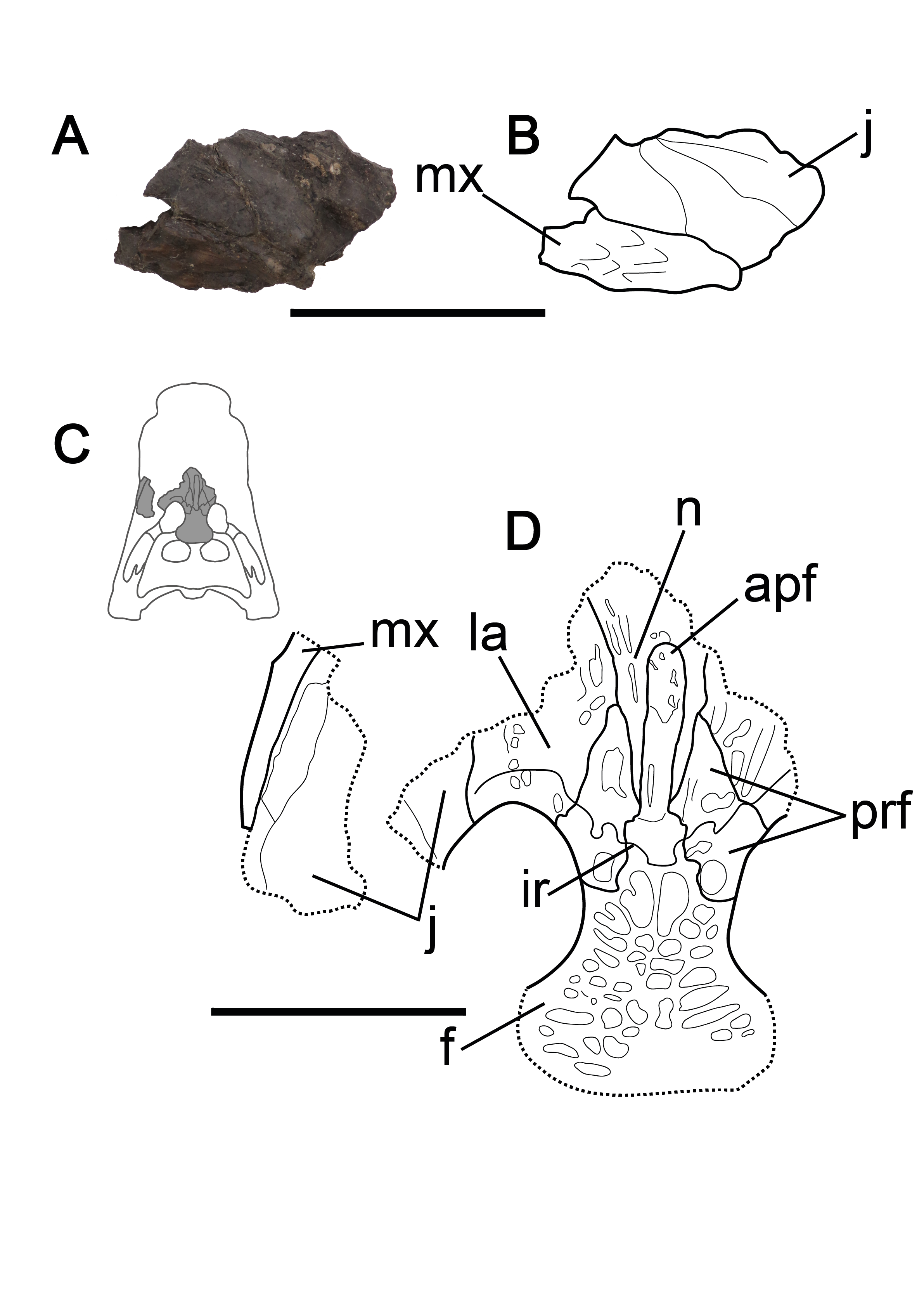
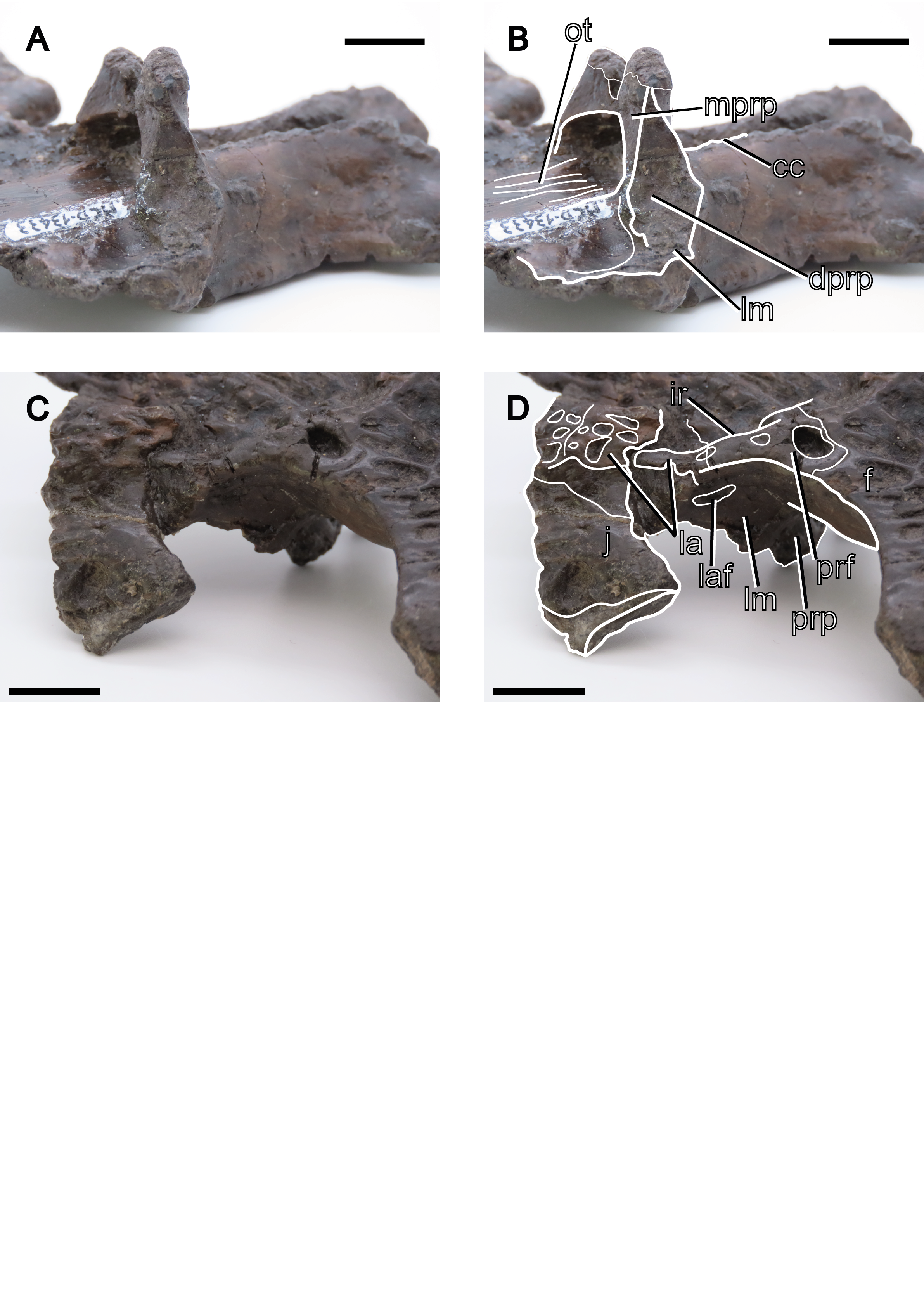
[en] Allodaposuchids were among the most common crocodyliforms in the Upper Cretaceous of Europe. The clade, recently erected to include a large number of species described in the last decade, seems to hold a remarkable diversity that has generated systematic controversies. Here we describe an interorbital fragment of an eusuchian crocodyliform, collected in the late 1950s in the locality of Suterranya-Mina de lignit (Lleida, Spain), from the lower Maastrichtian deposits of the Tremp Group, in the southern Pyrenees. The specimen is here identified as an allodaposuchid; some already described teeth, probably found together with the cranial remains and therefore here assigned to the same individual, reinforce this interpretation. The interorbital region of the specimen shows some important similarities with Allodaposuchus subjuniperus, reported only from the upper Maastrichtian levels of the Tremp Group, while it clearly differs from Allodaposuchus palustris, which is already reported in the lower Maastrichtian transitional deposits close to Suterranya-Mina de lignit locality. This study shows that at least three different species of allodaposuchids can be found in the lower Maastrichtian deposits of the Tremp Group.
Funding text :
This research is part of the projects R+D+i/PID2020-119811GB-I00 [funded by MCIN/AEI/10.13039/501100011033/] and ARQ001SOL-173-2022 (funded by the Departament de Cultura of the Generalitat de Catalunya) and is supported by the CERCA Programme. We want to thank Angela Buscalioni and Josep Montan\u00E9 for providing information on the specimen, the Archive MNCN-CSIC (Lucas Mallada collection) for assistance in the documentary search, Eduardo Pu\u00E9rtolas Pascual for providing additional photos of A. subjuniperus for comparations, and Francesco Della Giustina, Albert S\u00E9lles, Oscar Castillo-Visa, \u00C0ngel Galobart and Albert Prieto-M\u00E1rquez for the advice and the opinion shared during the work for this study. Editor Gareth Dyke and the reviewers (Marton Rabi and two anonymous reviewers) provided thoughtful guidance that improved this manuscript.
Scopus citations®
without self-citations
0