Abstract :
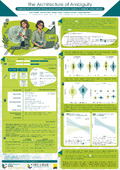
[en] Background: Structural MRI studies implicate prefrontal and insular regions in risk-related behaviour. Nascent entrepreneurs are particularly informative for investigating these links because uncertainty is central to entrepreneurial decision-making. This study examined whether nascent entrepreneurs and junior managers differ in uncertainty-related attitudes and in gray matter volume (GMV) within a priori brain regions implicated in these attitudes, and to assess the robustness of regional associations across ROI definitions.
Methods: Seventy-seven participants (across the groups) underwent T1-weighted MPRAGE structural MRI. Images were processed using CAT12 implemented in SPM12. GMV was quantified in four a priori regions of interest (ROIs; dorsomedial prefrontal cortex [dmPFC], bilateral anterior insula, and right posterior parietal cortex) using atlas-based and spherical ROI definitions. Self-report measures assessed risk tolerance, ambiguity aversion, and uncertainty tolerance. Regression analyses tested the regional GMV differences between the groups, with sensitivity analyses and FDR correction applied.
Results: Nascent entrepreneurs reported greater uncertainty-related attitudes and had higher total GMV than the junior managers, but no regional GMV differences within the predefined ROIs. ROI -group interactions were not robust across ROI definitions. Nevertheless, dmPFC GMV showed a robust sample-wide main effect, consistent with ambiguity-related measures across ROI definitions. Previously reported associations involving the anterior insula and risk-related attitude were limited.
Conclusions: These preliminary findings indicate that despite clear differences in uncertainty-related attitudes between nascent entrepreneurs and junior managers, robust regional structural associations were largely confined to the dmPFC. The results highlight the value of rigorous ROI-based analyses in identifying reproducible morphometric correlates of ambiguity-related dispositions.