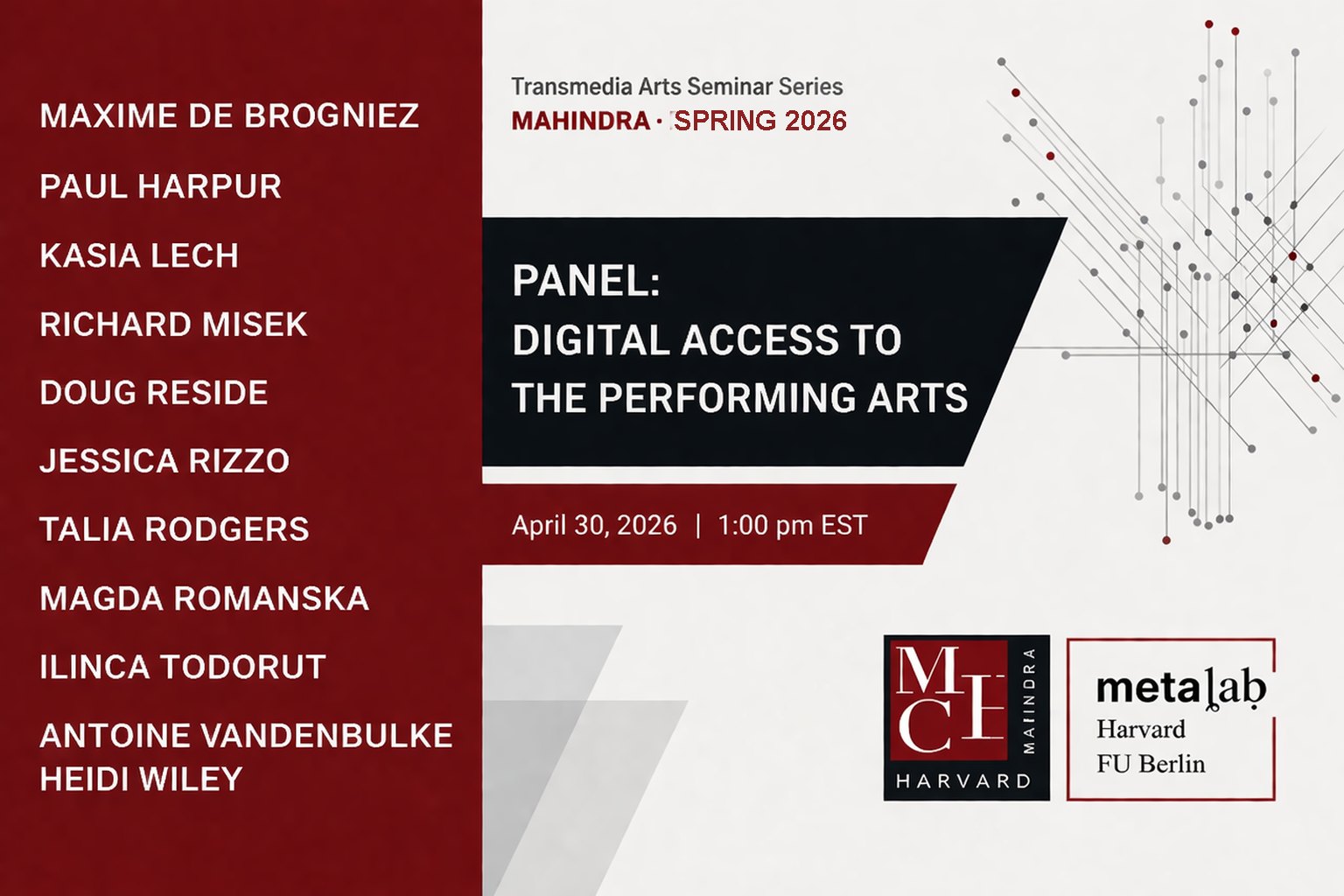
[en] Drawing on comparative research across the United States, the United Kingdom, the European Union, and Australia, the study examines how the pandemic revealed both the potential and the shortcomings of digital programming—particularly for disabled and marginalized audiences. Through case studies and critical legal analysis, the book traces the rise and decline of digital theatre during and after the pandemic, analyzes the tensions between copyright law and disability rights, and considers the role emerging technologies, including AI, may play in the future of the performing arts. Straddling the fields of performance studies, digital humanities, disability studies, law, and public policy, the book argues for a new global framework that balances copyright protection with the human right to culture, advocating for increased accessibility through sustainable digital tools. Digital Access to the Performing Arts was selected by the Knowledge Unlatched Selection Committee—an international network of over 200 libraries—for inclusion in the 2026 Digital Lives: Technology’s Influence on Contemporary Life Collection, highlighting twenty of the most significant new books exploring how technology shapes society, culture, governance, and everyday life. The selected titles are available open access through the Open Research Library: https://uplopen.com/books/m/10.56687/9781529257052