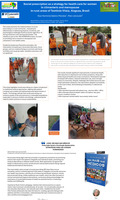
Abstract :
[en] This study examines the implementation of social prescribing in the rural community of Matão do Roberto, Teotônio Vilela, Alagoas, Brazil, evaluating its effectiveness in addressing physical, emotional, and psychological challenges faced by women aged 25 to 70 during climacteric and menopausal phases. Guided by Quaternary Prevention principles, the intervention included semi-structured interviews, focus groups, and non-medical activities such as group walks, relaxation exercises, and occupational therapy to promote well-being.
The results showed significant improvements in emotional health, with reductions in depression and anxiety symptoms, along with better physical health and social connections. Participants reported increased self-esteem, reduced medication use, and a stronger sense of community. Despite challenges like limited resources and initial participant resistance, the intervention adapted successfully to the rural context, demonstrating its feasibility in underserved areas.
This study highlights social prescribing as a viable complement to traditional medical approaches, aligning with patient-centered care models and addressing social determinants of health. The findings indicate that social prescribing can enhance quality of life and autonomy in vulnerable populations, especially in resource-limited rural settings, underscoring the need for public policies to ensure sustainability.
Title :
Social prescription as a strategy for health care for women in climacteric and menopause in rural areas of Teotônio Vilela, Alagoas, Brasil