Abstract :
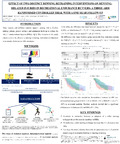
[en] Introduction: Many experts and athletics coaches support running with a forefoot striking pattern, greater cadence, and minimalist footwear to reduce the risk of running-related injuries (RRIs) [1][2]. The objective of this study was to explore the effect of a running retraining intervention or transition to minimalist footwear on RRIs.
Methods: One-hundred forty rearfoot runners were randomised into three groups: minimalist (N = 47), verbal feedback (N = 46), and control (N = 47). The minimalist group (MG) received either trail or road minimalist footwear. The verbal feedback group (VFG) received six sessions of running retraining aimed at running softer, avoiding rearfoot strike, and increasing cadence by 7.5%. The control group (CG) received a stretching program without additional instructions. Running habits, cadence, and footstrike pattern were measured on a treadmill at baseline, two, six and 12 months. Every two weeks, all runners received an e-mail to report whether they had sustained a RRIs [3].
Results: At 12 month follow-up, 57 runners (40%) sustained a RRIs. RRIs were mainly located in the foot (45,6%), tibia (17,5%), knee (15, 7%), and hip (15,7%). Intention-to-treat analysis showed that 18 runners (39%) in the CG, 13 runners (38%) in the MG, and 21 runners (44%) in the VFG sustained a RRIs. Similarly, as-treated analysis showed that 17 runners (47%) in the CG, 18 runners (38%) in the MG, and 17 runners (44%) in the VFG sustained a RRIs. Kaplan-Meier survival estimates showed no difference between-groups in the log-rank test at 12 months for intention-to-treat analysis (p = 0.229) or for as-treated analysis (p = 0.521).
Conclusions: Unlike popular beliefs, neither transitioning to minimalist footwear nor adopting a softer running technique led to a decrease in RRIs. However, an individualised analysis is needed to detect the runner profile that could benefit from these interventions.
[1] Abran G, Delvaux F, Schwartz C, et al. Current perception and practice of athletics coaches about the modification of footstrike pattern in endurance runners: a survey. Int J Sports Sci Coach. 2022;17(6):1345-1353. doi:10.1177/17479541221108089
[2] Davis, I. S., Chen, T. L., & Wearing, S. C. (2022). Reversing the Mismatch With Forefoot Striking to Reduce Running Injuries. Frontiers in sports and active living, 4, 794005. https://doi.org/10.3389/fspor.2022.794005
[3] Yamato, T. P., Saragiotto, B. T., & Lopes, A. D. (2015). A consensus definition of running-related injury in recreational runners: a modified Delphi approach. The Journal of orthopaedic and sports physical therapy, 45(5), 375–380. https://doi.org/10.2519/jospt.2015.5741