Abstract :
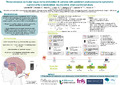
[en] Persistent post-concussive symptoms (PPCS) can affect 20-50% of patients following a concussion and can persist for months or even years when not appropriately managed. These symptoms encompass a wide range of somatic (e.g., headaches, dizziness), cognitive (e.g., memory or attention deficits), emotional (e.g., anxiety, depression), and sleep-related disturbances. Despite the significant impact on patients’ quality of life, effective treatments remain limited. Transcutaneous auricular vagus nerve stimulation (taVNS), a non-invasive technique targeting the auricular branch of the vagus nerve, has demonstrated potential in modulating brain function and alleviating symptoms comparable to those experienced by patients with PPCS. This randomized double-blind sham-controlled clinical trial investigates the (neuro-)physiological and clinical effects of taVNS in a cohort of 48 adults (based on an a priori sample size) aged 18 to 65 who sustained a concussion and experience PPCS between 1 and 12 months prior to enrollment. Participants will be randomized to receive either active (1-3 mA, depending on patients’ pain threshold) or sham taVNS (0.1 mA). The intervention comprises 15 sessions over two weeks, including two in-lab sessions (S1, S15) and 13 supervised home-based sessions (S2-S14). All outcome measures will be assessed at S1 and S15. Our primary outcome measure is PPCS severity. Secondary outcomes will include self-reported symptoms, quality of life and cognitive performance, respectively assessed through validated questionnaires and neuropsychological tests. Finally, electroencephalogram and electrocardiogram recordings will also allow to evaluate (neuro-)physiological changes as potential correlates of symptom improvement. At one-month follow-up, the same questionnaires will be collected to monitor symptom progression. This protocol aims to generate robust evidence on taVNS as a therapeutic option for PPCS and to elucidate the underlying neurophysiological mechanisms.