material passport; design for disassembly and adaptability; data management; design science research; qualitative research
Abstract :
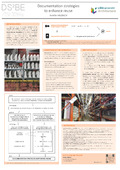
[en] The construction sector is widely recognised as a major consumer of raw materials and a significant producer of waste. As traditional mining sources continue to deplete, cities are increasingly positioned to become the “mines of the future.” To support this urban mining shift, it is essential to (re)design buildings with disassembly in mind, ensuring materials can be easily reclaimed and reused rather than discarded.
The aim of this research is to facilitate the reuse of building components at the end of their life cycle by developing a Collaborative Digital Material Passport that provides relevant, well-structured, and up-to-date documentation. Achieving this goal, however, is hindered by the lack of clarity surrounding the content and practical implementation of Material Passports in the construction industry. The hypothesis is thus that a Collaborative Digital Material Passport addresses the need for data structuring and management mentioned in the state of the art.
The lack of relevant, structured and up-to-date information regarding building components poses a twofold challenge to the implementation of a circular economy in the construction industry. On the one hand, improving the future building component reuse relies on developing a Collaborative Digital Material Passport that integrates the data needed to reinforce, support and encourage DfD/A. On the other hand, the effectiveness of the documentation strategies relies on aligning them with the specific needs of the stakeholders. To address these challenges, this research proposes a hybrid methodological approach, combining methods adapted to each of the study’s issues.
Research Center/Unit :
URA - Unité de Recherches de la Faculté d'Architecture - ULiège
Disciplines :
Architecture
Author, co-author :
Halbach, Amélie ; Université de Liège - ULiège > Unité de Recherches de la Faculté d'Architecture (URA) ; Université de Liège - ULiège > Département d'Architecture