starch-based hydrogel; Rheological properties; Direct Ink Writing (DIW); 3D Printing; Biomedical application
Abstract :
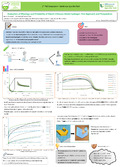
[en] Biodegradable starch-based hydrogels present effective alternatives to traditional wound dressing or transdermal patch technologies. This study evaluated the rheological properties of a starch-chitosan hydrogel enriched with gluten to develop an ink suitable for 3D printing, specifically for Direct Ink Writing (DIW). Initial viscosity tests and viscoelastic behavior analysis were conducted using an Anton Paar rheometer. Hysteresis, amplitude sweep, and frequency sweep measurements were performed to further investigate the gel’s rheological properties. The results revealed that the gel exhibits shear-thinning behavior with a structural recovery of 88%, as evidenced by hysteresis tests. Amplitude sweep tests demonstrated an increase in the linear viscoelastic region (LVE-R) with higher gluten content, while frequency sweep tests confirmed a predominantly elastic behavior (tan δ < 1) in all gels. DIW printing tests validated the hydrogel’s ability to maintain its 3D-printed structure. Although the tested hydrogels displayed generally favorable rheological properties for 3D printing, further optimization is needed to achieve ideal performance. This study underscores the potential of these hydrogels as matrices for incorporating active compounds, paving the way for novel biomedical applications.
Research Center/Unit :
CSFES - TERRA Research Centre. Chemistry for Sustainable Food and Environmental Systems - ULiège